Salt and Soda firing
Salt firing is a process where unglazed ware is fired to high temperatures and salt is introduced to produce a vapor that glazes the ware.
Details
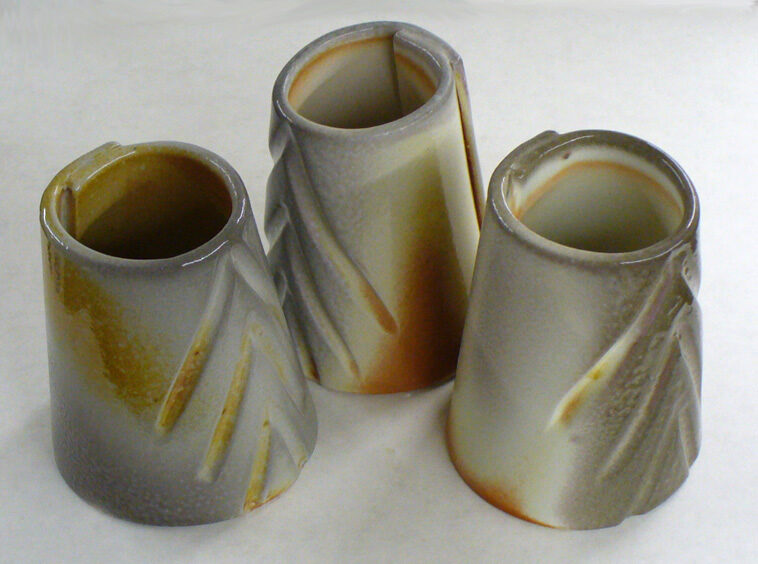
Plainsman P580, P600, H570 soda fired samples
These are standard mullite porcelain bodies designed to fire a little short of full density (or vitrification). They are made using #6 tile kaolin, Tennessee ball clay, nepheline syenite and silica (P580 has no #6 Tile and P600 is 50% #6 Tile). The firing process produces a range of areas having complete glaze coverage to others having no glaze and full flashing.
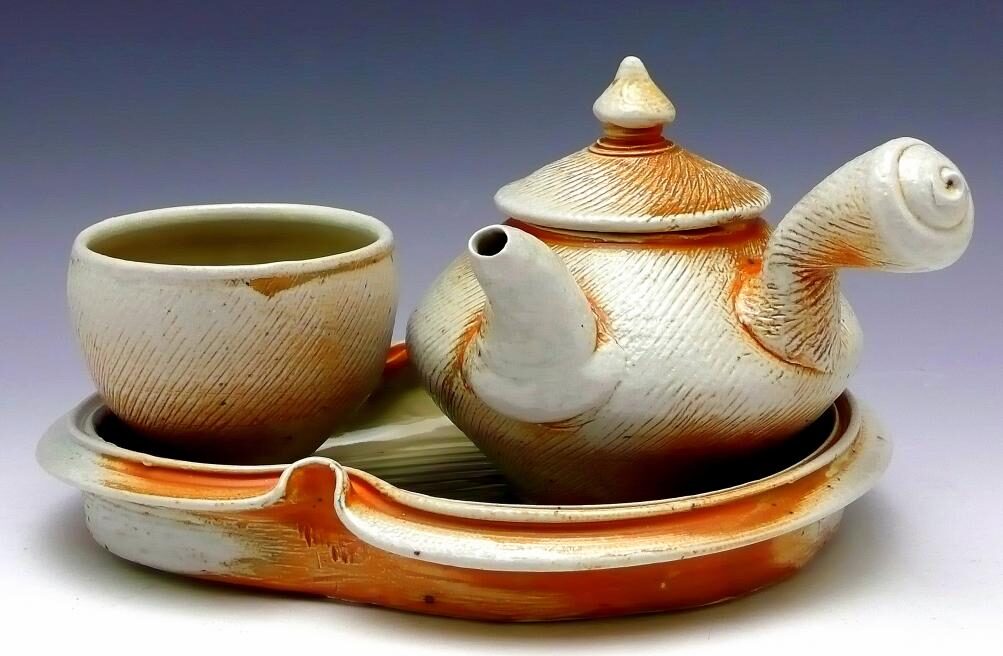
P600 salt fired tea set, with flashing, by Jim Etzkorn
Related Information
Salt glazed pieces often craze
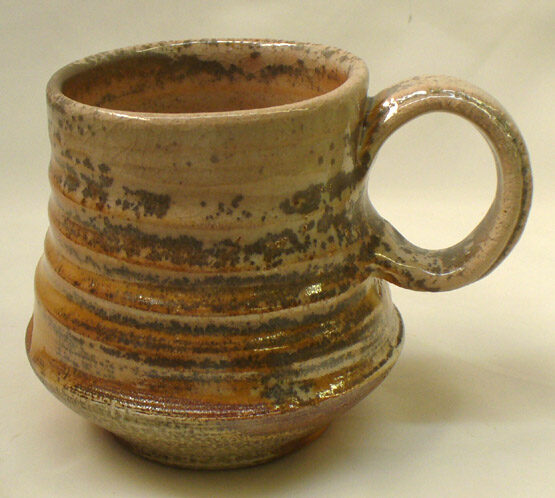
This picture has its own page with more detail, click here to see it.
Crazing in glazes is common in this type of ware but since the body is fired well into vitrification this is not considered a problem (the unique aesthetics of this type of ware trump such issues). Salt glazes, by their very nature, are high in sodium. Since Na2O has such high thermal expansion pieces are almost guaranteed to craze. This was from kiln at the Medalta artist in residence program
Plainsman P580, P600, H570 soda fired samples
This picture has its own page with more detail, click here to see it.
These are standard mullite porcelain bodies designed to fire a little short of full density (or vitrification). They are made using #6 tile kaolin, Tennessee ball clay, nepheline syenite and silica (P580 has no #6 Tile and P600 is 50% #6 Tile). The firing process produces a range of areas having complete glaze coverage to others having no glaze and full flashing.
Front of soda and salt kilns
At the Medalta International Artists in Residence
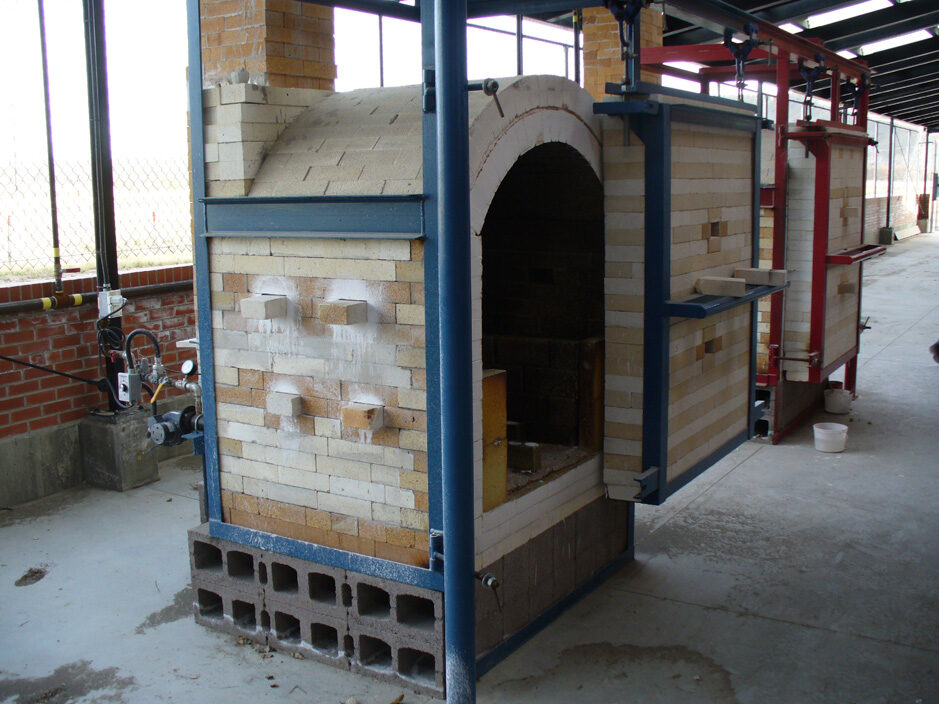
This picture has its own page with more detail, click here to see it.
In Medicine Hat, Alberta, Canada. Designed by Aaron Nelson.
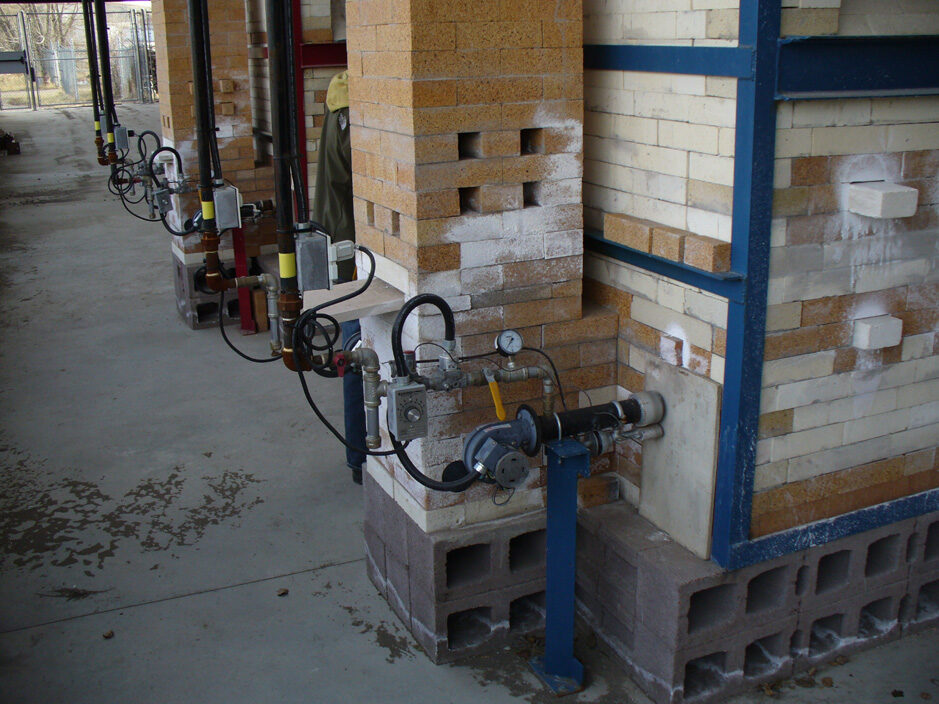
Rear of soda and salt kilns
At the Medalta International Artists in Residence
This picture has its own page with more detail, click here to see it.
In Medicine Hat, Alberta, Canada. Designed by Aaron Nelson.
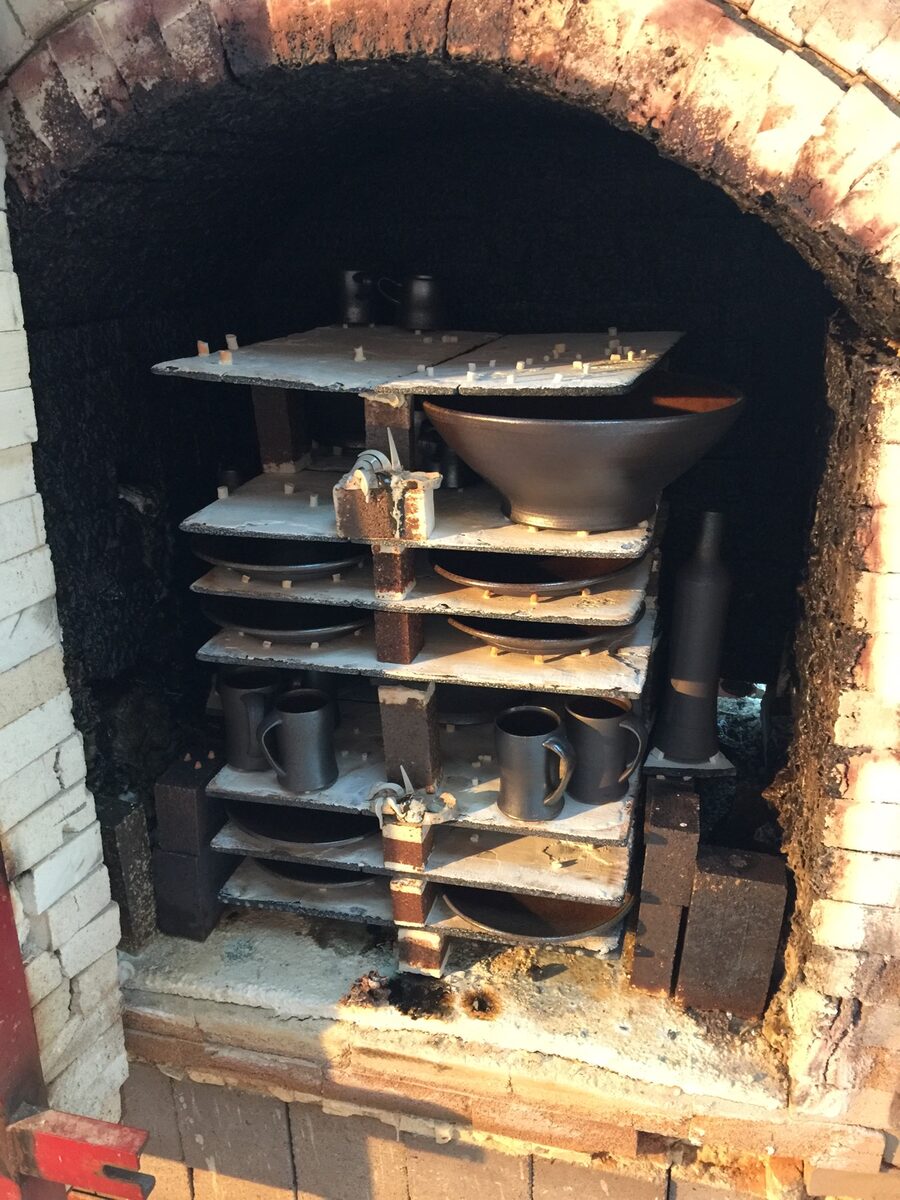
A studio salt kiln being unloaded
This picture has its own page with more detail, click here to see it.
Notice how ware is set on pads of clay to enable the salt vapours to access the underside. Salt and soda kilns degrade over time as the sodium eats away at the interior bricks. Shelves must be covered in kiln wash to preserve them.
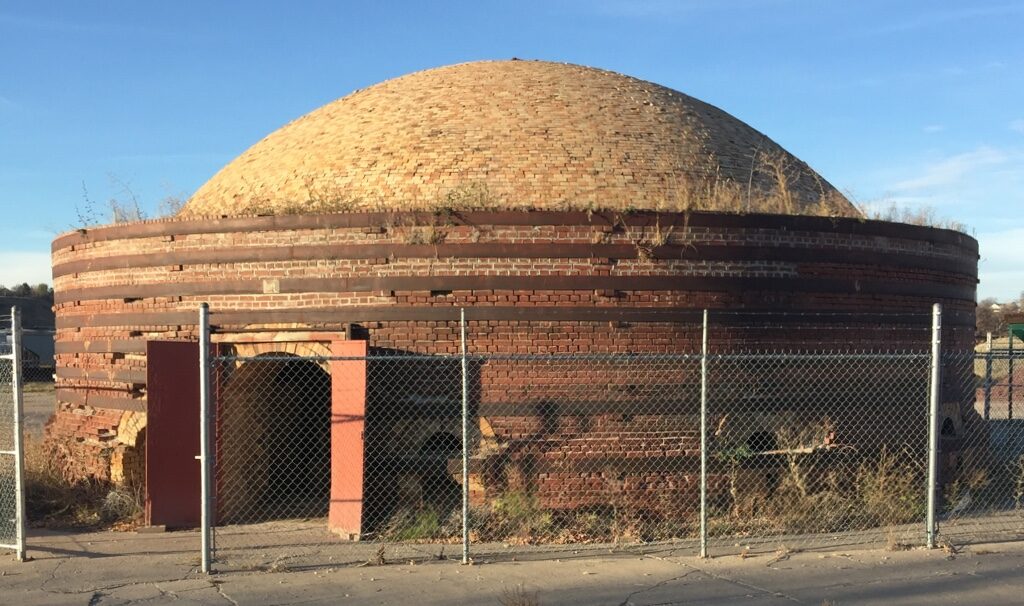
Salt glaze beehive kiln beside the Plainsman Clays plant
This picture has its own page with more detail, click here to see it.
This was built just after the turn of the 20th century and was one of about 20 at the Alberta Clay Products company. It was used to fire salt-glazed ceramic pipe, these were used for municipal sewer and water lines. A ceramic industry quickly grew in the city because it had good clay, natural gas, plenty of water, a dry climate, industrious people, a large river and it was on the Trans Canada highway and railway.
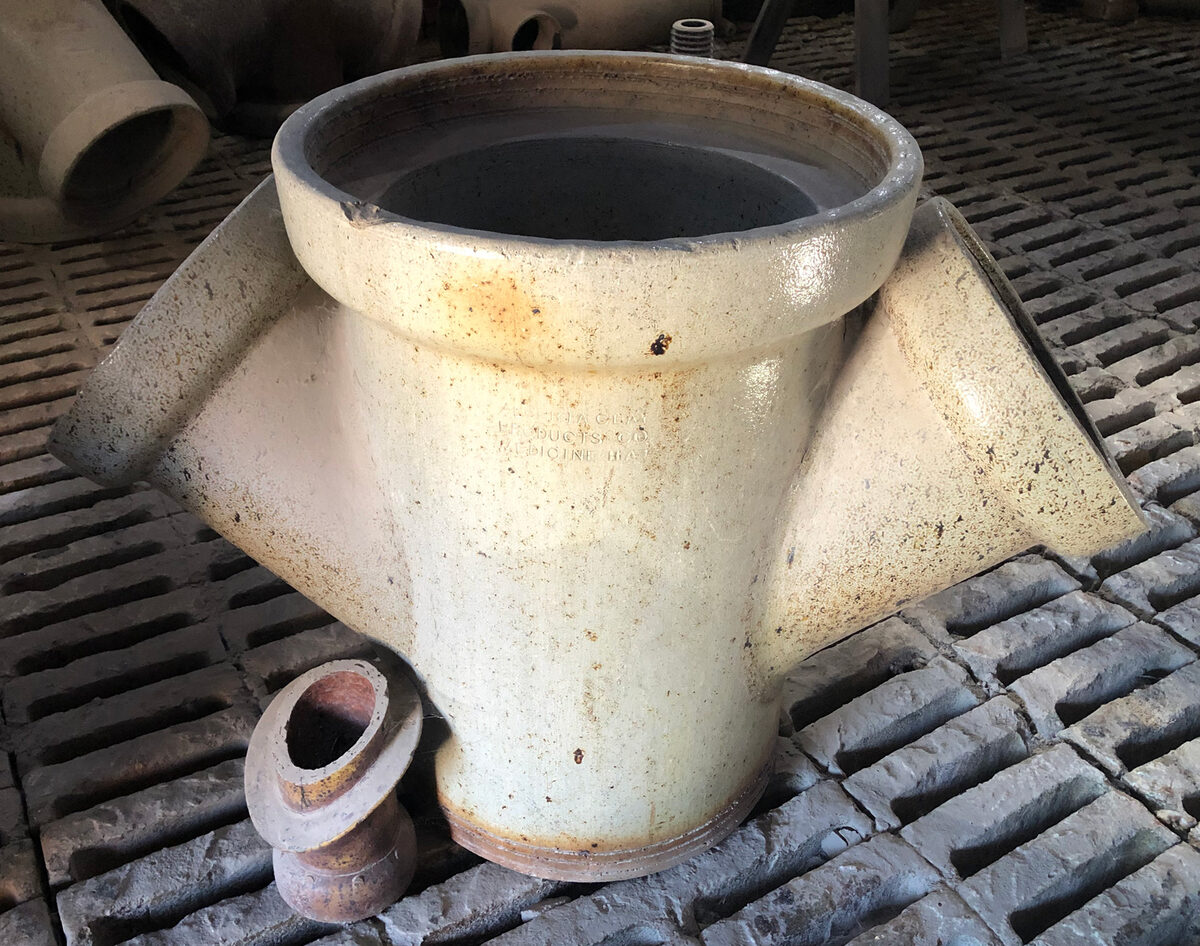
A salt glazed sewer pipe junction
This picture has its own page with more detail, click here to see it.
Made at Alberta Clay Products in Alberta, Canada about 1960. These are massive. They were hand-constructed. This was fired in a beehive kiln and is on display inside one next to the Plainsman Clays plant (a historic site). Ceramic glazes are normally slurries of clay, quartz and and fluxes like sodium feldspar, calcium carbonate or dolomite - these are applied to ware before firing. But, in this salt-glazing process, common table salt was literally shovelled into a hole at the top as the kiln reached temperature (about 2350F)! The salt decomposed, separating into sodium vapour and chlorine gas within the chamber and the sodium reacted with the quartz-containing clay to form a durable glaze. Unfortunately the chlorine gas escaped into the air!
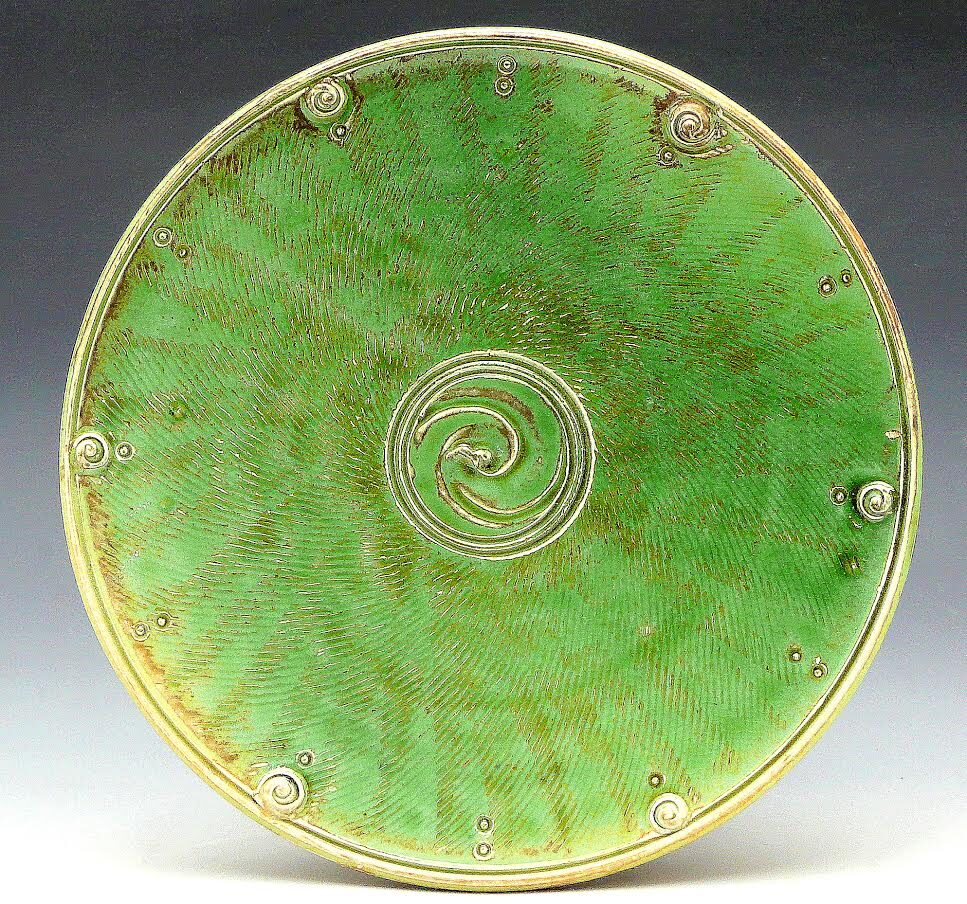
Salt fired P700 by Jim Etzkorn
This picture has its own page with more detail, click here to see it.
P700 salt fired copper glazed plate by Jim Etzkorn
Links
| Glossary |
Kiln Firing
All types of ceramic are fired in a kiln to cement particles together to produce a hard and water and temperature resistant product. |
| Glossary |
Flashing
A visual effect that occurs in wood and salt firing of ceramic ware. Many potters value the effect and use special materials and firing methods to enhance it. |